

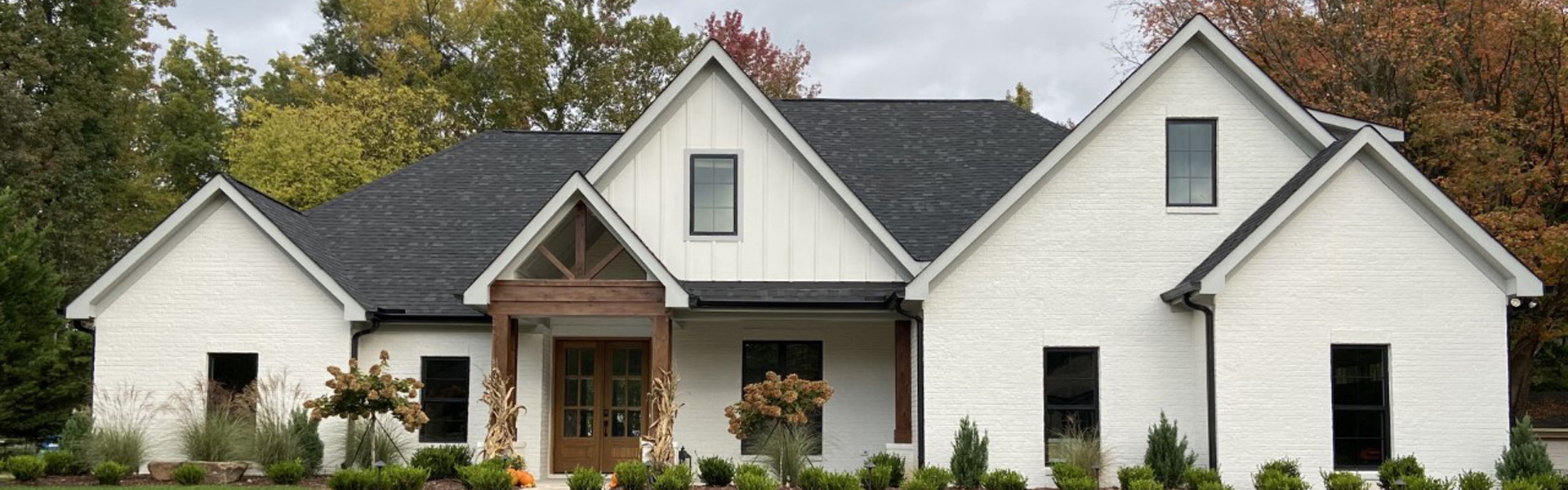

Building Stability and Growth When Starting Over in a New Home
For divorced individuals relocating after divorce, moving can feel less like a fresh start and more like life shifting underfoot. The emotional challenges of moving, grief, relief, anger, and uncertainty, often show up right alongside the practical chaos of a post-divorce home transition, from splitting belongings to redefining what “home” even means. It’s a tough tension: needing stability after separation while everything looks and feels different. With the right mindset, a new place can become a steady base.
Understanding How a New Home Supports Healing
A new home environment can improve well-being because it gives you a clean slate for habits, boundaries, and daily flow. Instead of treating relocation as a reset button, think of it as a design project where you choose what supports you, then build it on purpose.
This matters because comfort does not come only from familiar walls. It comes from repeatable routines, workable finances, and a sense of control. In fact, rebuilding after divorce often means creating structure that fits who you are now, not who you were before.
Picture your first week in a new place: you set up a simple morning routine, create one calm corner, and decide where paperwork lives. Those small choices turn uncertainty into predictability, which frees up energy for confidence and growth. With that base in place, continuing education can become a practical next step for forward momentum.
Use Continuing Education to Create Momentum After You Relocate
Once your new home starts to feel like a safer, steadier base, adding a learning goal can give your fresh start real momentum. Going back to school is a practical way to build new skills, meet new people, and keep your personal growth moving forward while you settle into a new environment. A structured program creates forward motion on days when everything else still feels in transition, and it can widen your network beyond your old routines and circles. If you’re curious about a clear, career-focused path, a master’s in business administration can equip you with skills in leadership, strategic planning, financial management, and data-driven decision-making to help you excel in diverse business environments. If you want to compare options and see what a structured route can cover, you can get the breakdown.
Earning a degree online can make this move feel more doable: you can learn from your new place, keep a consistent schedule, and avoid extra commuting while you’re still rebuilding stability. Next, let’s bring that same steady progress into your space with a few small, practical moves you can make right away.
Small Moves to Create Stability in Your New Place
Stability after a divorce move usually comes from small, repeatable choices, not one big “fresh start” moment. Use these mini-moves to build a steady home base while keeping your growth goals (like classes or certifications) realistic and supported.
- Do a 14-day “must-work” relocation plan: Pick the few things that make daily life function, sleep, food, work/school, and communication, and schedule them across the first two weeks. Day 1–3 is utilities, trash, internet, bed setup; Day 4–7 is grocery routine, basic cookware, laundry; Day 8–14 is mail forwarding, doctor/dentist transfer, and updating addresses. This prevents decision fatigue and keeps your new place from feeling like a never-ending project.
- Set up one “calm corner” before you unpack everything: Choose a small area (a chair, bedside table, or a 3×3-foot spot) and fully finish it with good lighting, a blanket, a notebook, and a phone charger. When emotions spike, you’ll have a predictable place to land, which is a simple emotional adjustment strategy that works even on busy days. Treat it like the first finished room in your stable home.
- Create a three-zone system for organizing personal space: Label three temporary zones: Daily, Weekly, and Archive. Daily items stay visible and within arm’s reach (keys, meds, planner); Weekly items go in one bin or drawer (extra toiletries, paper towels); Archive items go in one closet area you don’t touch for 30 days. This makes the home feel orderly fast without requiring perfection.
- Automate your “steady basics” budget line: Decide on a set amount for rent, utilities, groceries, and transport, and automate or calendar those payments on one consistent rhythm. Then set a smaller, protected “growth line” for continuing education expenses such as a course fee, books, or childcare during class time. The point isn’t to be strict; it’s to make your learning momentum feel financially safe.
- Use a weekly reset that takes 30 minutes, not a whole Saturday: Put it on the same day each week and follow the same checklist: clear surfaces, wash towels, restock two staple foods, and prep one “easy dinner” option. Predictable routines create stability quickly because your brain stops treating the home as unfinished. If you have kids, give them one job that matches their age so the reset becomes normal, not stressful.
- Practice one tiny growth mindset script when something goes sideways: When you hit a snag, missing a box, loneliness, a budgeting surprise, use a short reframe: “I’m in the learning part, not the failing part. What’s the next 10-minute step?” Evidence suggests growth mindset interventions can support performance and persistence, so think of this as training your follow-through muscle while you rebuild.
- Build a “local support map” in one afternoon: Write down three categories and fill in at least two options for each: practical help (handyperson, neighbor, store), health (clinic, therapist/support group), community (classmates, library group, gym). Make one low-pressure contact per week, like attending a single event or introducing yourself to one neighbor. Having a map reduces the feeling that everything rides on you alone.
These small moves make your home feel steadier fast, and they also give you real data about what feels supportive, what feels risky, and what you need in order to move forward with confidence.
Common Questions About Moving After Divorce
Q: How do I know if moving is a healthy step or just running away?
A: A healthy move is values-based, not panic-based. If you can name what you’re moving toward, like safety, affordability, or support, you’re choosing, not escaping. Try a 48-hour pause, then write three needs the move would meet and one need you can meet without moving.
Q: What if I feel overwhelmed and can’t “handle” all this change?
A: Overwhelm is common during divorce, so treat it like a signal to simplify, not a sign you’re failing. The fact that people who divorce are more likely to develop depression is a good reason to build extra support early. Pick one daily stabilizer this week, like a short walk, a regular bedtime, or a therapy consultation.
Q: When is the best time to move after divorce?
A: Move when your basics are predictable enough to make good decisions, not when everything feels perfect. A helpful benchmark is having your housing budget, childcare plan, and transportation mapped for the next 30 days. If you’re still in conflict, prioritize legal clarity and a calm communication plan first.
Q: Can moving actually help me grow, or will I just feel lonelier?
A: Moving can create space to rebuild identity, habits, and confidence, but connection needs to be planned. Schedule two low-pressure touchpoints each week, like a class, volunteer shift, or a recurring coffee meetup. Loneliness tends to shrink when your calendar has a few friendly “anchors.”
Q: How do I start over financially without feeling constantly scared?
A: Start with a bare-bones monthly number and give every bill a due-date home. Then create a small “future fund” line, even $10 to $25 a week, so progress feels visible. If money fear spikes, focus on one controllable action today, like calling for a rate quote or canceling one unused subscription.
Turning a Post-Divorce Move Into Steady Renewal at Home
After divorce, moving can feel like trading one kind of uncertainty for another, new streets, new routines, and the worry that stability will stay out of reach. The most helpful mindset is to treat relocation as a supportive transition: not a frantic escape, but renewal after divorce and a deliberate way of embracing new beginnings. When the move is framed this way, decisions get calmer, home starts to feel like a base again, and a positive outlook on relocation has room to grow into real hope and stability. A new address can be the start of a steadier life.